Most rubber parts manufacturers operate one of two extremes: fully outsource mold making to whichever third-party tool shop is cheapest, or claim 100% in-house tooling regardless of fit. PBR (PT. Putrabangun Rubberindo) runs a hybrid model: primarily in-house mold making for the majority of programs, with a small set of vetted external partners for extremely difficult or highly specialized tooling. That's a deliberate strategic choice, not a limitation, and it matters for any custom rubber program.
The PBR mold-making model
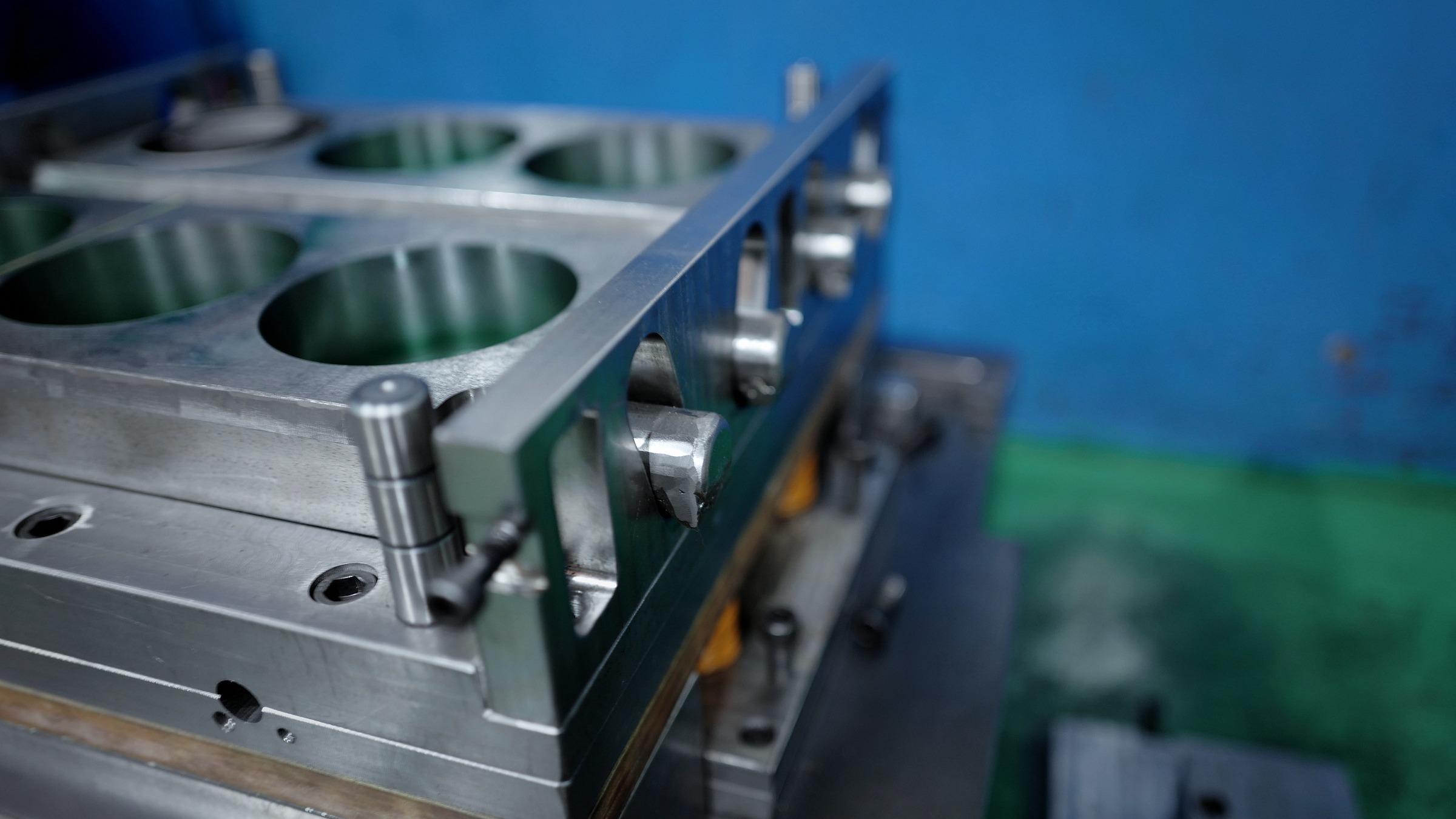
For most programs, mold design, CNC milling, prototype tooling (via our FDM 3D printer), and ongoing mold maintenance happen inside our walls at the 10,000 sqm Cikupa facility. For extremely difficult or highly specialized parts (exotic cavity counts, specialty steels, unusual geometries that demand decades of dedicated tool-room experience) we route to a small set of external tool makers we've worked with for years. Every external partner is operating under confidentiality, and every program is matched to the route that gives the best outcome on lead time, quality, and cost.
Why in-house for the majority of programs
For most of our customer programs, the in-house route wins on every axis:
Shorter tooling lead time
External tool shops have queues. Your mold sits behind other customers' molds. With in-house CNC mold milling, your program lands in our schedule alongside our production. Typical in-house tooling lead time at PBR is 3 to 6 weeks; fully outsourced tool making commonly runs 6 to 12 weeks before the queue plus the build time.
Direct iteration between mold engineer and press operator
The underrated advantage. When the engineer who designed the mold sits 50 feet from the press operator who runs it, problems get caught fast. A flash issue, a short shot, a gate location that's marginal, the conversation happens in real time, with the mold pulled from the press and the engineer making a decision. Outsourced tooling turns that into a series of phone calls, photos, and shipped samples spread across days or weeks.
Tighter cost control on multi-cavity tooling
Multi-cavity rubber molds get expensive quickly. When mold design and machining happen in-house, the cost model is transparent, and there's no third-party margin layered on top.
IP stays inside
For in-house tooling, your custom part geometry (the cavity shapes, the runner layout, the gating strategy) never leaves our facility. For OEM customers with sensitive part designs on standard tooling, this is the cleanest IP protection model available.
Why vetted external partners for the truly difficult jobs
Some tooling demands very specific specialist capabilities: large or unusual cavity counts, exotic tool steels, intricate slide actions, or geometries that benefit from decades of dedicated tool-room experience. For those, the right answer is not to force them through a general-purpose in-house line. It's to route them to a partner who builds that kind of tool every day. The partners we use are vetted (years of working relationship, demonstrated quality on prior programs), they sign confidentiality, and they're managed by our own engineering team through every stage.
The result is the right specialist hands on the truly complex jobs, instead of a "make it work" compromise, and that protects the overall program quality customers care about.
What's on our in-house mold line
- Multi-axis CNC mold milling for production-grade steel molds
- FDM 3D printer for rapid prototype tooling and fixture trials
- Mold finishing and polishing
- In-house mold maintenance and revision capability
What this enables for buyers
Custom molded rubber parts from drawing, sample, or concept, routed to the tooling path (in-house or vetted external) that fits the part best. Send a 2D or 3D file, a physical sample, or a description of what the part needs to do. We measure, identify the compound family, recommend a material, route the tooling appropriately, run a prototype, validate, and run series production. See custom molded parts or the broader Rubber Components range.
Email marketingoem@pbrubberindo.co.id to start a custom project. EN, ID, or JA welcome.